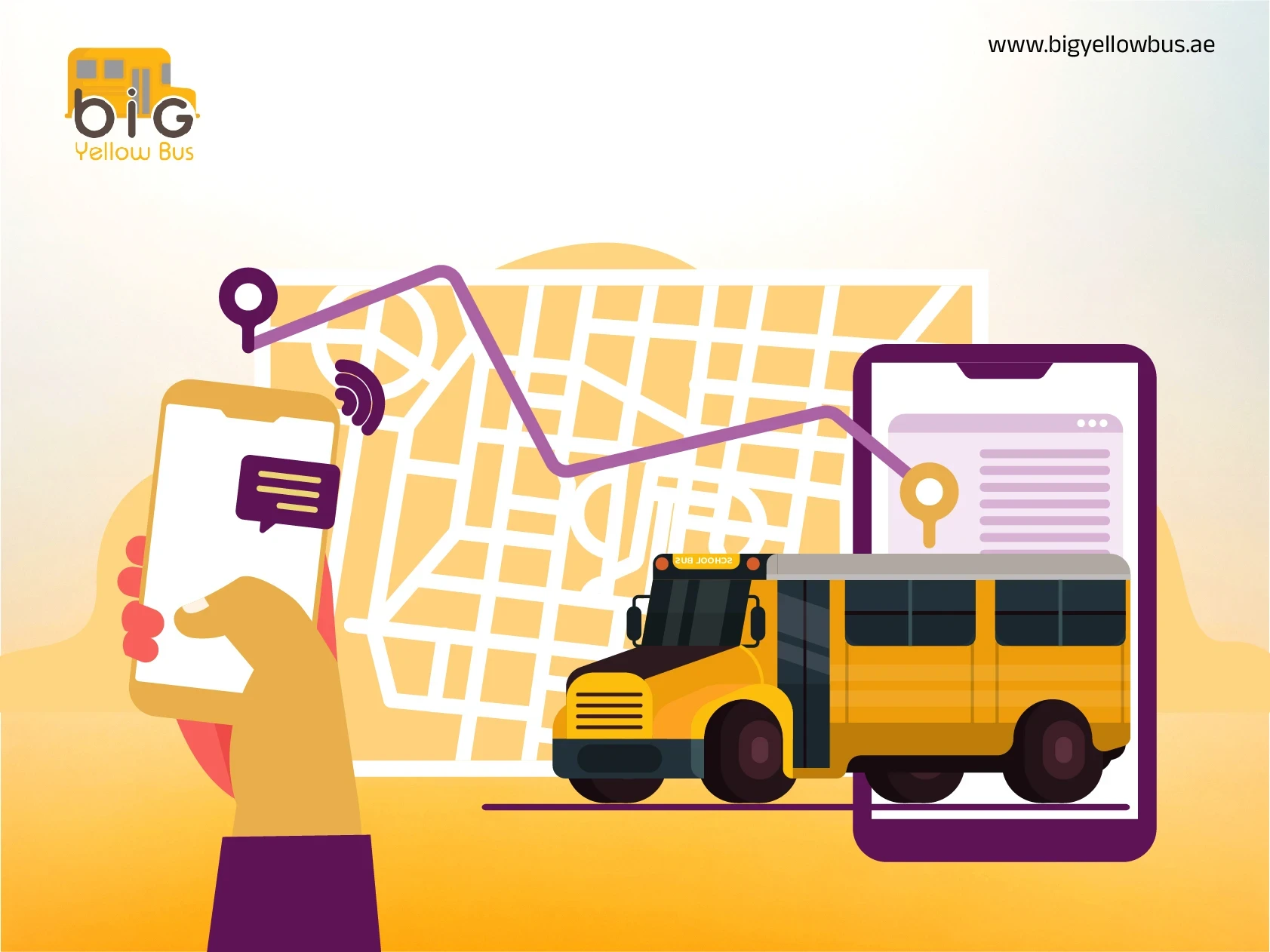
In today’s fast-paced environment, efficiency and precision are critical to the success of any organization. Whether you’re managing a fleet of cars for a logistics company or guaranteeing student safety on school buses, optimizing routes, monitoring driver conduct, and ensuring timely arrivals is critical. A real-time vehicle tracking system can help businesses and institutions improve productivity, streamline operations, and eventually raise profits.
Understanding the Benefits of a Real-Time Vehicle Tracking System
A real-time vehicle tracking system offers a complete solution for monitoring and controlling fleets of vehicles. Using GPS technology and sophisticated software, such systems provide constant updates on the exact location, speed, and status of each vehicle in your fleet. This kind of visibility not only improves operational efficiency but also allows businesses to make data-driven decisions that have a major influence on their bottom line.
1. Enhanced Fleet Visibility and Route Optimization
One of the key benefits of deploying a real-time vehicle monitoring system is the ability to gain real-time vehicle tracking system information about your fleet’s movements. Fleet managers may follow vehicles on a digital map, allowing them to monitor routes, analyze traffic trends, and alter schedules accordingly. For example, a school district that implements such a system can ensure that school buses travel the most efficient routes, reducing travel time and fuel expenses while increasing the number of on-time arrivals.
2. Improved Driver Performance and Safety
Beyond route optimization, a real-time vehicle tracking system allows fleet managers to precisely monitor driver conduct. Instant warnings advise management of issues such as speeding, forceful braking, or unauthorized vehicle use, lessening the risk of accidents and maintenance expenditures caused by vehicle wear and tear. This proactive strategy improves overall fleet safety and efficiency, encouraging a responsible driving culture among personnel. Organizations that use these advanced real-time vehicle tracking systems enhance operational logistics while also prioritizing safety and cost-effectiveness, eventually boosting service reliability and customer satisfaction in the competitive landscape of transportation and logistics services.
3. Streamlined Operations and Customer Satisfaction
Accurate ETAs improve client satisfaction for logistics and transportation services. real-time vehicle tracking system enables customers to monitor deliveries or service appointments, decreasing uncertainty and improving service quality. This transparency fosters confidence and improves the overall client experience, assuring timely updates while minimizing annoyance. Organizations gain from increased operational efficiency and customer loyalty because of exact ETAs, which provide clients with the information they need to prepare properly. Companies that integrate real-time vehicle tracking system data into their service offerings can satisfy expectations more consistently, resulting in satisfaction and long-term success in the competitive logistics and transportation markets.
4. Cost Savings and Increased Profitability
Perhaps most crucially, investing in a real-time vehicle tracking system can result in significant cost reductions and long-term profitability gains. Businesses can save money on fuel by optimizing routes and eliminating idle time. Furthermore, enhanced efficiency allows for more tasks to be completed in the same amount of time, resulting in increased productivity without a commensurate increase in expenses.
Case Study: School Bus Tracking System
Consider this scenario: a school district deploys a real-time vehicle tracking system for its fleet of school buses. Parents, teachers, and administrators can utilize a smartphone app or website to track the exact location of buses in real time. This openness not only improves safety by letting parents know when their child’s bus will arrive, but it also increases operational efficiency for the school district.
By examining historical data from the real-time vehicle tracking system, the school district can optimize bus routes based on actual traffic patterns and student locations. This leads to fewer delays, lower fuel usage, and, eventually, cost savings for the district. Furthermore, the ability to monitor driver conduct guarantees that all safety protocols are followed, which boosts the trust and confidence of parents and school personnel.
To summarize, a real-time vehicle tracking system is more than simply a tool for monitoring vehicles; it is a valuable asset that may alter operations in a variety of businesses. Whether you want to optimize operations, improve customer satisfaction, or assure passenger safety, investing in such technology can generate significant rewards. Businesses and organizations may increase productivity, efficiency, and profitability in an increasingly competitive environment by leveraging the potential of real-time data and analytics.
Implementing a real-time vehicle tracking system is more than simply a technological investment; it is a strategic decision to maximize resources, save expenses, and provide better service. As the saying goes, time is money, and with the right tools at your disposal, you can make every minute count toward meeting your company objectives.